Journal
Vernacular 2.0: Reinventing Ancestral Knowledge
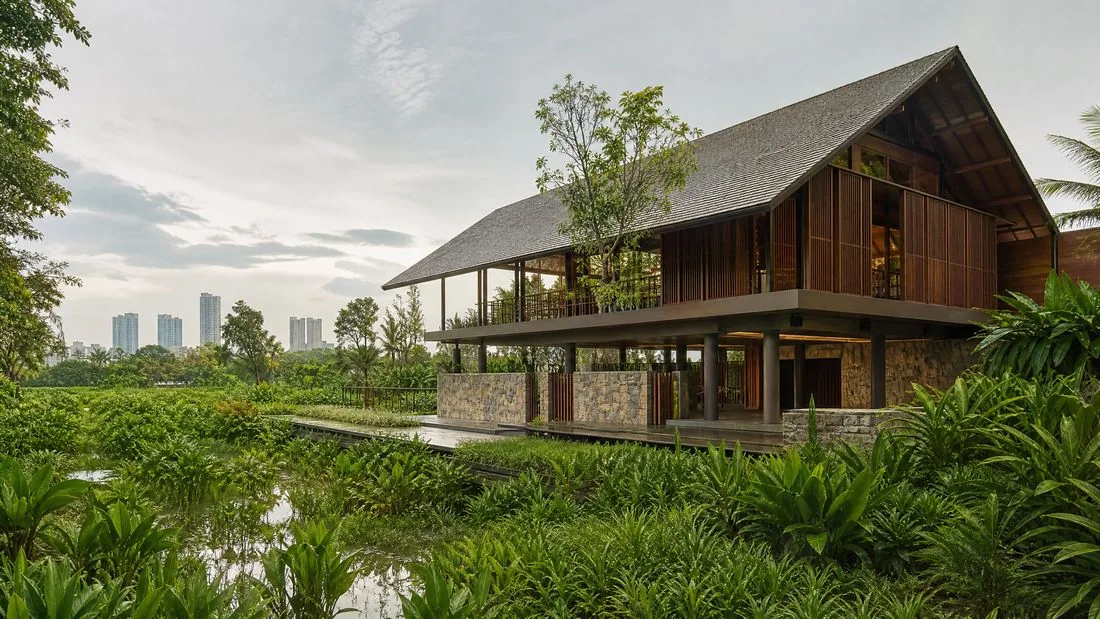
Contemporary architecture marks an unexpected but radical return to its roots. Faced with the limits of standardised construction models and the climate emergency, a new discipline is emerging: vernacular 2.0, also known as neo-vernacular. This movement doesn't simply copy forms from the past: it uses the most advanced digital tools to optimise ancestral knowledge and create hyper-efficient buildings, perfectly suited to their local context. In Thailand, this paradigm is transforming the way tropical housing is designed.
The blend of tradition and algorithm
Vernacular 2.0 rests on a unique synthesis between the intuition of ancient builders and the precision of computational design. Architects now use thermal and airflow simulation software to analyse traditional techniques, such as the stack effect or cross-ventilation, and adapt them to modern urban constraints. This approach makes it possible to design buildings that breathe naturally, significantly reducing the need for air conditioning while celebrating local aesthetics.
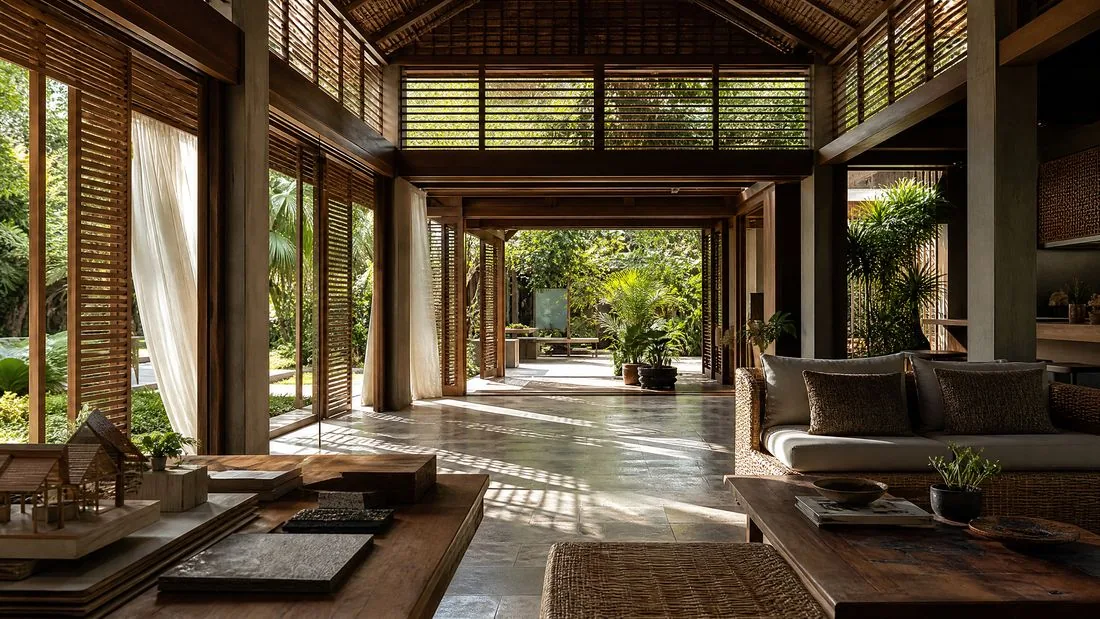
Augmented materiality: local in service of global
Using local materials is no longer a budget constraint but a high-performance choice. Teak wood, river stone and bamboo are now transformed through ecological processes to gain strength and insulation properties comparable to synthetic materials. This "augmented materiality" reduces the carbon footprint linked to transport while supporting the local artisanal economy: the modern villa becomes an ecosystem where carpenters' know-how meets the precision of digital cutting.
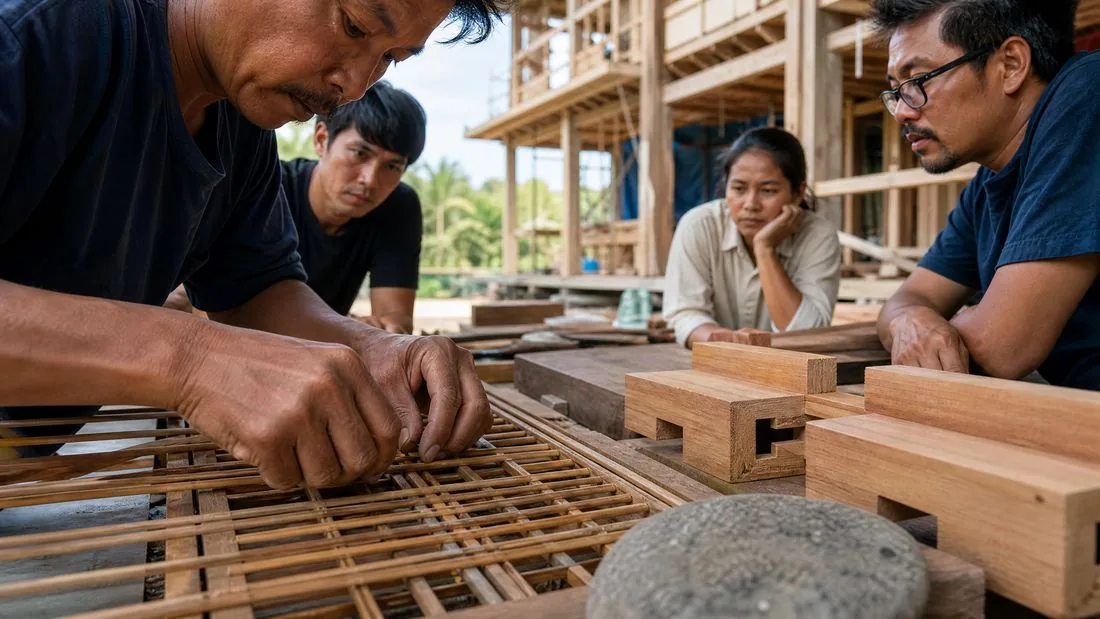
Cultural identity as a lever for sustainability
Beyond technique, vernacular 2.0 is a placemaking tool. City dwellers are seeking to reconnect with their history and territory; neo-vernacular architecture answers this need by integrating patterns, textures and volumes that echo local culture, while offering the comfort of a smart building. This approach is particularly visible in urban regeneration projects, where former traditional structures are reinterpreted for contemporary uses.
Conclusion
Vernacular 2.0 is not a step backward but a leap forward towards a more humane, more sober architecture. By combining wisdom accumulated over centuries of climate adaptation with the power of digital tools, architects are charting a new path: one of rooted modernity, where the future of architecture lies not in anonymous concrete but in the intelligent reinvention of its own roots.