Journal
Regenerative Architecture
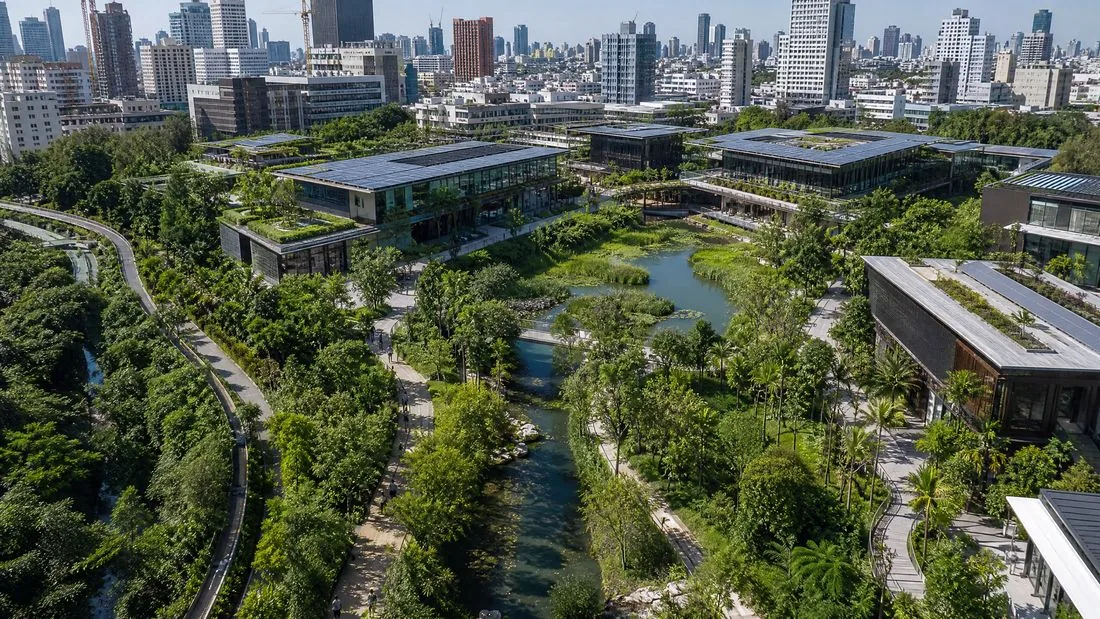
For decades, sustainable architecture focused on reducing negative impacts: less energy, less waste, less carbon. A more ambitious approach is now gaining ground: regenerative architecture. This paradigm no longer aims merely to "do no harm," but to actively restore and revitalise local ecosystems. The architect becomes something of an ecologist, designing buildings that function as vital nodes within vast urban biodiversity corridors.
From sustainability to regeneration
Regenerative architecture rests on the idea that buildings should contribute positively to their environment, in a form of co-evolution between social and ecological systems. Rather than treating a site as a blank slate, designers analyse the ecosystem services that have been lost (water filtration, pollination, thermal regulation) in order to reintegrate them directly into the building's structure.
Biodiversity corridors: connecting pockets of life
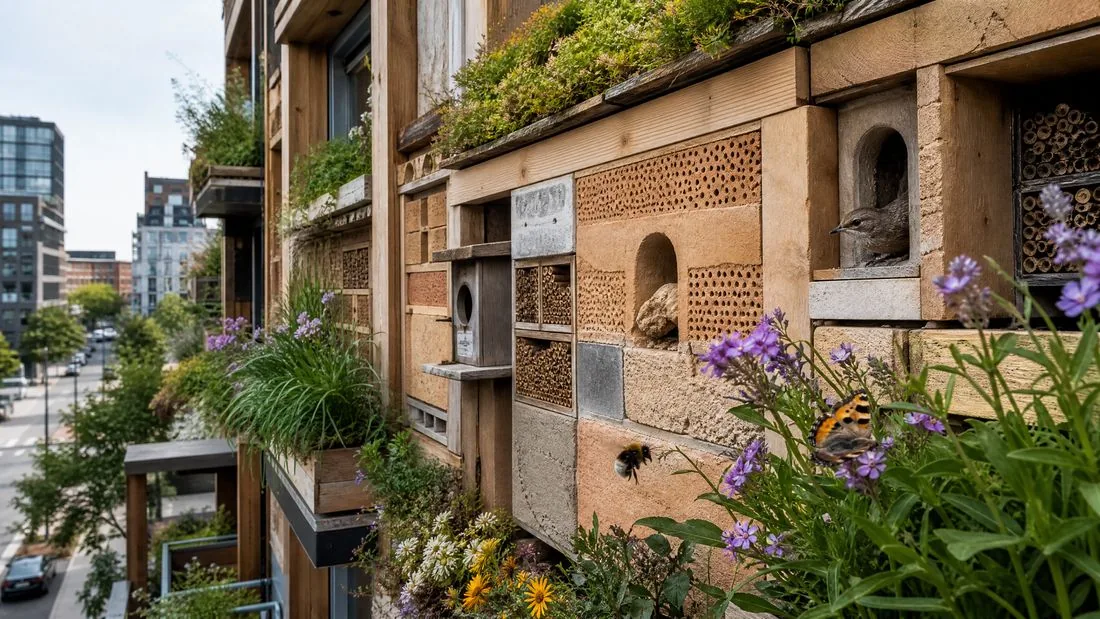
One of the major challenges is breaking the fragmentation of natural habitats caused by urban sprawl. Architects are now designing buildings that act as "bridges" for flora and fauna, integrating pollinator-friendly facades, habitat roofs and safe passages for small wildlife. These corridors are not simple parks, but interconnected systems that allow species to move, feed and reproduce right at the heart of the dense city.
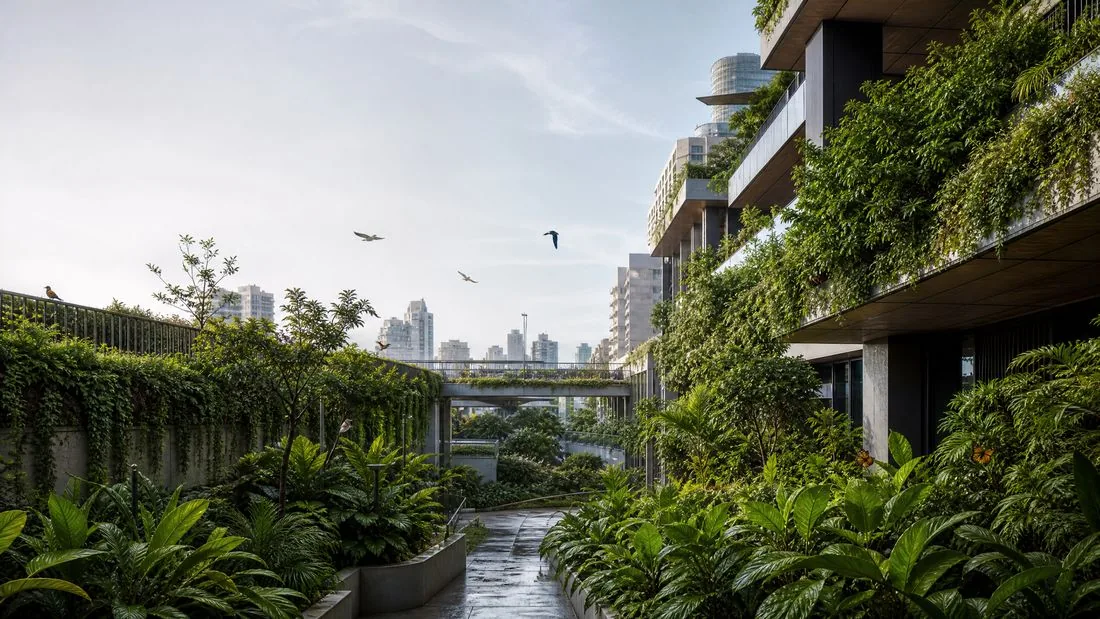
Designing for pollinators and local wildlife
Biophilic design is becoming functional: building walls now incorporate bird boxes, insect hotels and nesting structures for solitary bees. Plant species chosen for roofs and balconies are no longer dictated by aesthetics alone, but by the needs of native pollinators, a way of sustaining natural cycles right in the middle of the city.
Conclusion
Regenerative architecture marks a shift from an anthropocentric outlook to one more attentive to life as a whole. By turning cities into functioning ecosystems, architects are no longer simply building shelters. They are helping to repair the living fabric around them.